
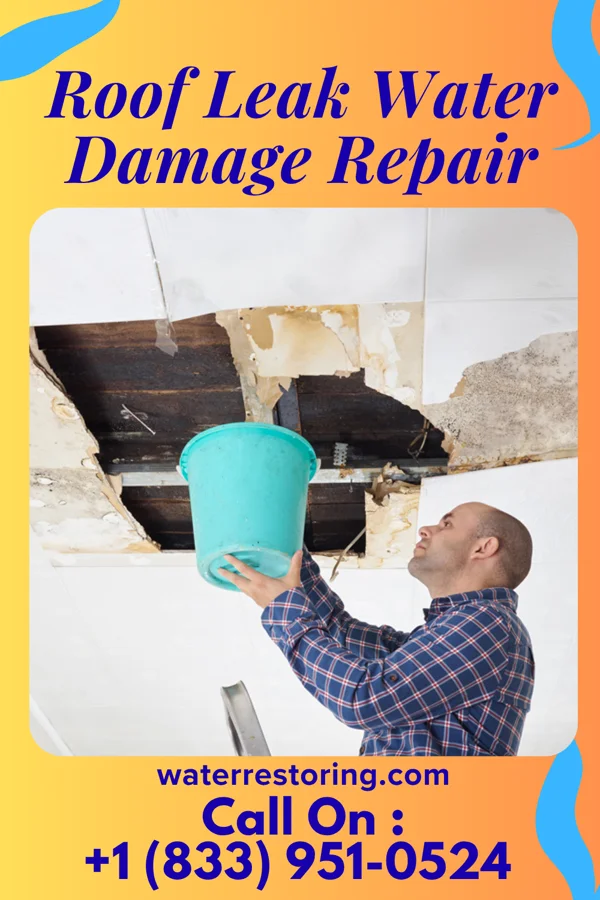
Why Roof Leaks Hit Phil Campbell Hard
The pattern in Phil Campbell is consistent. Phil Campbell, Alabama experiences frequent thunderstorms and heavy rainfall, especially during the spring and summer months. These weather events can lead to sudden roof leaks, especially in older homes with asphalt shingle roofs. The region's humid climate also contributes to rapid water absorption, increasing the risk of interior damage. drives most of the emergency restoration calls we get. A close second is In the fall, strong winds and heavy rain can cause significant damage to roofing materials, particularly around eaves and gutters. Winter storms, though less common, can bring freezing temperatures that lead to ice dams, further stressing the roof structure and causing leaks..
The combination of frequent rain, high humidity, and occasional severe weather in Phil Campbell creates a challenging environment for roofing systems. Homes in this area are particularly vulnerable to water infiltration, especially in older structures with compromised roofing materials.
The combination of frequent rain, high humidity, and occasional severe weather in Phil Campbell creates a challenging environment for roofing systems. Homes in this area are particularly vulnerable to water infiltration, especially in older structures with compromised roofing materials. The dominant local driver is Phil Campbell, Alabama experiences frequent thunderstorms and heavy rainfall, especially during the spring and summer months. These weather events can lead to sudden roof leaks, especially in older homes with asphalt shingle roofs. The region's humid climate also contributes to rapid water absorption, increasing the risk of interior damage., with In the fall, strong winds and heavy rain can cause significant damage to roofing materials, particularly around eaves and gutters. Winter storms, though less common, can bring freezing temperatures that lead to ice dams, further stressing the roof structure and causing leaks. showing up as the next most common cause. Damage builds in stages. Spread. Absorption. Microbial growth. Structural compromise. Every stage you pass through adds to the final bill.